A deload week is a planned reduction in training volume, intensity, or both, used to let fatigue clear before it turns into a plateau or an injury. It's not time off. It's a scheduled adjustment inside a program that's still moving you forward.
A lot of lifters treat deloading as an admission of weakness, so they skip it until a nagging joint or a stalled lift forces the issue. By then you're not deloading on purpose anymore. You're reacting to symptoms like: stalled lifts, rising soreness, or fried motivation.
This guide breaks down what a deload week is, the different ways to structure one, how often you need one, and when you might not need one at all.
What You'll Learn
- Why lifters wait too long to deload
- What a deload week actually is
- 5 types of deloads and when to use each
- How to program a deload correctly
Why Lifters Wait Too Long to Deload
Fatigue and fitness build on top of each other from the same training stress. Fatigue doesn't always show up evenly. A lift can feel fine while soreness, joint irritation, or motivation are still moving in the wrong direction. Ignore those signals long enough and small issues can start affecting your training.
A deload isn't a break from progress. It's how you protect the progress you already made.
What Is a Deload Week?
A deload week is a short, planned period, typically 4-7 days, where you reduce training volume, intensity, or both, before returning to your normal working loads.[1] In a competitive lifter survey, the average deload lasted about 6 days and occurred roughly every 5-6 weeks, though that range varies widely based on training age and how hard the preceding block was.[2]
There isn't one correct way to deload. The method should match what you're actually experiencing: dropping performance, rising soreness, low motivation, or a specific joint that needs a break.
Types of Deload Weeks (And When to Use Each)
Full Deload
A full deload reduces both volume and intensity at the same time. Research on deloading practices recommends cutting volume by roughly 25-90% depending on how much recovery you need, with load reduced alongside it.[1]
Best for: lifters coming off a genuinely brutal block, or anyone managing joint or connective tissue soreness that a lighter version of the same weight won't fix.
Volume Deload
A volume deload keeps your working weight the same but cuts your sets and reps. You're still handling real load, just less of it.
Best for: lifters who don't want to feel rusty on their working weights when the deload ends. You stay sharp on the movement pattern without accumulating the volume that's been driving fatigue.
Selective Deload
A selective deload reduces volume and intensity only on the specific lifts or muscle groups that are fatigued, while everything else continues as normal.
Best for: a squat or bench that's stalled while the rest of your lifts are still progressing. No reason to deload your whole program over one stuck lift.
Exercise Swap
Dropping a specific movement for a week, like pulling the bench press or back squat from your program while everything else runs as normal, gives that movement pattern a full week off without shutting down your training.
Best for: a joint that's cranky under one specific pattern (bar on your back, bar in your hands) but fine everywhere else.
Active Recovery Swap
Replacing your normal training with lower-intensity movement, easy cardio, mobility work, or resistance band circuits can help you stay active while reducing overall training stress.
Best for: lifters who are mentally fried on their main lifts and need the change of stimulus as much as the reduced load.
How to Actually Program a Deload
1. Don't Deload on a Fixed Calendar Alone
Preplanned deloads every 4-8 weeks are common in strength and physique training, with an average of roughly 5-6 weeks between them. But it's a starting point, not a rule.[2]
What it looks like when it's wrong: deloading on schedule even though you're recovering well and hitting PRs, which just costs you a week of progress you didn't need to give up.
Deload when bar speed drops on weights that used to move fast, when joints feel cranky before you've even warmed up, or when your working sets stop matching your effort level. Those signals matter more than the calendar.
2. Set Your Reduction Target Before the Week Starts
Guessing your way through a deload defeats the purpose. Once you've decided you need one, determine how much you're cutting before you walk in.
- Low recovery needs: cut volume 25-45%.
- Moderate recovery needs: cut volume 40-60%.
- High recovery needs (grinding joints, flat motivation, stalled lifts across the board): cut volume 60-90%.[1]
Adjust based on how you're actually recovering, not just the percentage.
3. Keep Your Training Frequency the Same
Competitive lifters surveyed on their deloading habits mostly kept training frequency unchanged during a deload. What dropped was volume and load, not how often they showed up.[2]
Many lifters keep their normal schedule and just do less each session. But if your fatigue is high enough that showing up feels like too much, cutting a session is a legitimate call. The reduction is what matters, not perfect attendance.
4. Use Active Recovery to Fill the Gap
A lighter week doesn't have to mean an idle week. Low-intensity movement keeps blood flow up and gives your joints something to do besides nothing.
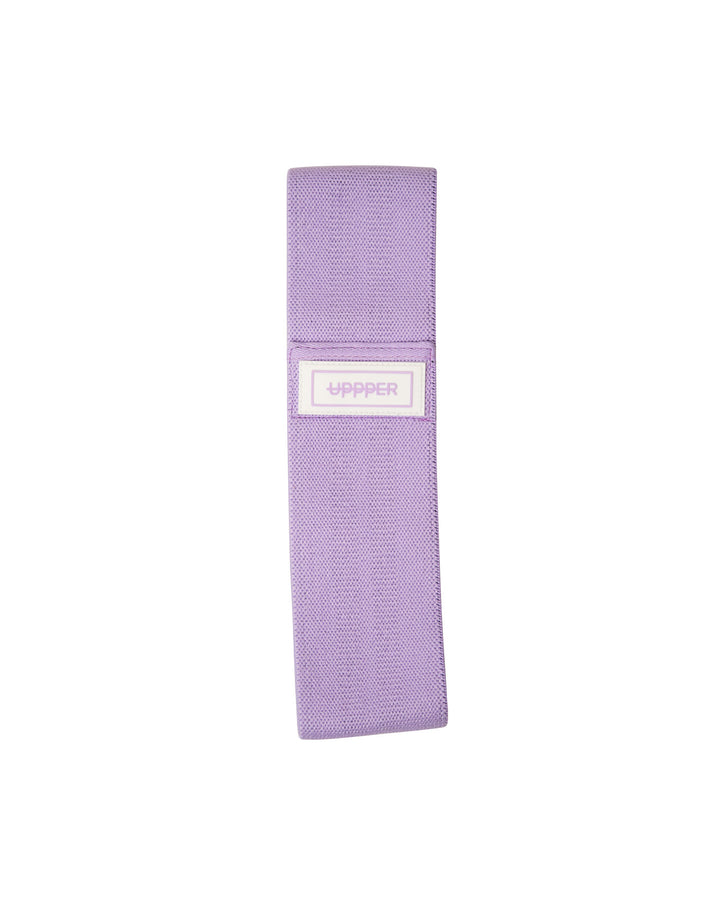
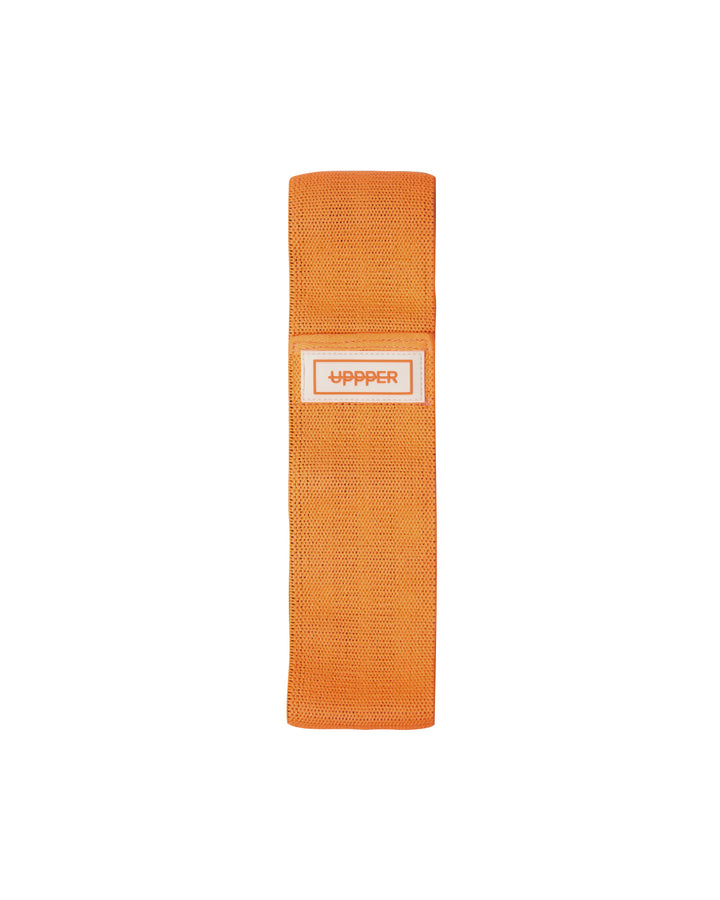
Swap a heavy squat day for banded mobility work and light cardio. UPPPER Resistance Bands give you enough resistance to keep the joint moving through range without recreating the training stress you're trying to reduce for the week.
5. Expect to Pick Back Up Near Your Working Weight
The goal is to return to the same working weights after a deload. If you can't, treat that as a signal worth paying attention to, not proof that the deload failed.
Your first session back should feel close to where you left off. If the weight feels noticeably heavier or your bar speed is off, look at sleep, stress, and nutrition before blaming the deload itself.
Frequently Asked Questions
How often should you take a deload week?
Preplanned deloads every 4-8 weeks are common in strength and physique sports, and competitive athletes in one survey averaged roughly 5-6 weeks between them, but there's no single proven ideal frequency. Let your training volume, intensity, recovery, and performance guide the timing. The calendar is a starting point, not the rule.
Will a deload week make you lose muscle or strength?
A properly programmed one-week deload is unlikely to erase your progress. You're reducing training stress, not starting over.
Do you need a deload week if you're not training that hard?
Not necessarily. If you're recovering well, making progress, and not carrying noticeable fatigue, you may not need one. Deloads are a tool for managing accumulated fatigue, not a default setting every program needs.
Full deload vs. volume deload: which one should you do?
Use a full deload when fatigue is affecting your performance, soreness, and normal working weights, since it reduces both load and volume. Use a volume deload when the weight still feels manageable but the accumulated sets and reps are catching up to you. A full deload removes more training stress, while a volume deload keeps you practicing your working weights.
How much should you reduce weight and volume during a deload?
A reasonable starting point is a 25-45% volume cut for lower recovery needs, up to 60-90% when fatigue, joint soreness, or stalled lifts are affecting your whole program. Load does not have to drop by the same amount. A full deload reduces both load and volume, while a volume deload can keep your working weight the same and cut sets and reps instead.
Deload With a Purpose, Then Load Back Up
A deload week isn't a step back. It's the one week in your program where the goal is managing fatigue directly instead of hoping it manages itself.
Lifters who deload well aren't taking a week off. They're the ones who read their own recovery accurately enough to know when to pull back and when to keep pushing, and that judgment is what keeps them training years past the lifters who only stop when something breaks.
If you're filling a deload week with active recovery instead of sitting still, UPPPER Resistance Bands give you a way to keep joints moving and blood flowing without adding the load you're trying to shed for the week.
References
- Bell, L., Darragh, I. A. J., Travis, S. K., Rogerson, D., & Nolan, D. (2025). A Practical Approach to Deloading: Recommendations and Considerations for Strength and Physique Sports. Strength & Conditioning Journal. https://doi.org/10.1519/SSC.0000000000000910
- Rogerson, D., Nolan, D., Androulakis Korakakis, P., Immonen, V., Wolf, M., & Bell, L. (2024). Deloading Practices in Strength and Physique Sports: A Cross-sectional Survey. Sports Medicine - Open, 10, 26. https://doi.org/10.1186/s40798-024-00691-y